What Should You Bring to a Sleep Test Brisbane Appointment?

A sleep test Brisbane appointment is usually simple, but preparation helps the visit run smoothly and keeps the results as accurate as possible. Most people just need a few essentials, plus the right paperwork and comfort items to get through the night.

The checklist below suits common Brisbane sleep clinic processes, including in-lab studies and home-based setups, and keeps everything practical and Australian-based.

What is a sleep test Brisbane appointment, and why does packing matter?

A Brisbane sleep test appointment is a scheduled assessment to measure breathing, oxygen levels, sleep stages, movement, and other markers while a person sleeps. Packing well matters because missing items can delay setup, reduce comfort, or affect how typical the night’s sleep is.

Clinics often aim to recreate “normal sleep,” so the goal is to bring what helps someone sleep as they usually would.

What identification and paperwork should they bring?

They should bring a photo ID (driver licence or passport) and any booking confirmation email or SMS. If the clinic requested forms, they should bring printed copies or have them saved on their phone.

For a sleep test Brisbane appointment, it also helps to bring a Medicare card and private health insurance details if the booking was made through those channels.

What referral or medical history details are most useful?

If they have a GP referral or specialist letter, they should bring it, even if it was sent electronically. They should also bring a list of current conditions and past surgeries, especially anything involving the airway, nose, tonsils, heart, or lungs.

For a sleep test Brisbane appointment, clinicians often ask about snoring, witnessed pauses in breathing, insomnia, restless legs symptoms, shift work, and daytime sleepiness, so a brief written timeline can save time.

What medications and supplements should they pack?

They should bring all regular medications in their original packaging, plus any needed items for the morning after, such as inhalers. They should also bring a list of supplements, including magnesium, melatonin, herbal sleep aids, and pre-workout products.

Before a sleep test Brisbane appointment, they should not stop medications unless the clinic or their doctor specifically advised it.

Should they bring their CPAP machine or mask?

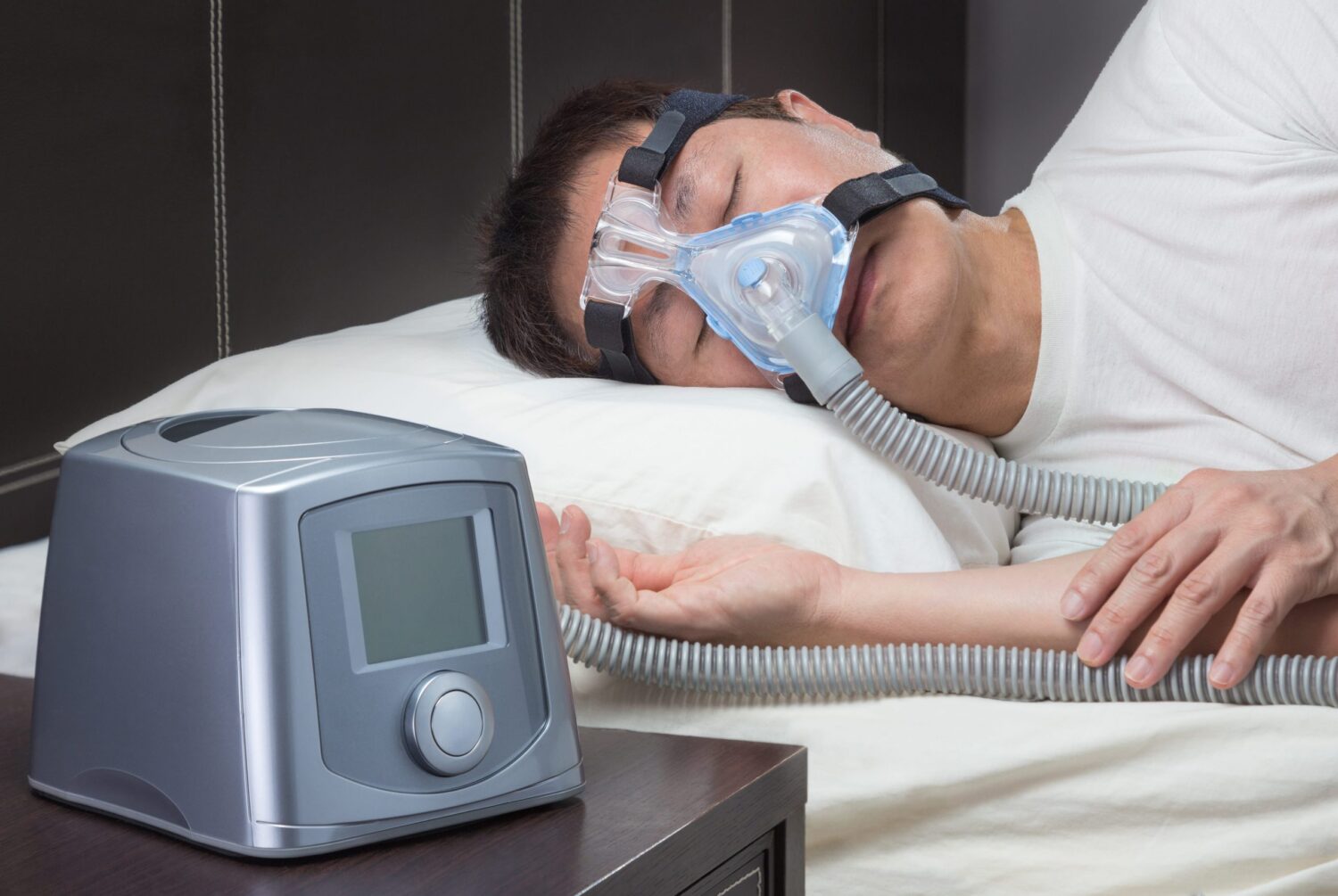
If they already use CPAP, they should ask the clinic whether to bring the machine, mask, and tubing. Some labs prefer patients bring their own mask for comfort and fit, while the clinic supplies a device for titration nights.

For a sleep test Brisbane appointment, bringing the usual mask can reduce leaks and help results reflect real-world use.

What should they wear to the clinic?

They should wear comfortable, loose sleepwear that allows sensors to be attached, such as a button-up pyjama top or a roomy t-shirt and shorts. They should avoid tight necklines, full-length bodysuits, or anything that makes it hard to run wires.

For a sleep test Brisbane appointment, clinics typically recommend avoiding oily lotions on the skin because adhesives may not stick well.

What toiletries and personal care items should they pack?

They should pack a toothbrush, toothpaste, deodorant, and any usual skincare items, keeping products light and non-greasy. If they wear contact lenses, they should bring lens solution and a case, plus glasses for the evening and morning.

A sleep test Brisbane appointment is easier when they can follow their normal bedtime routine, so familiar toiletries can help them wind down.

What items help them sleep more normally overnight?

They should bring whatever helps them sleep like they do at home, such as their own pillow, a small blanket, or a comfort item if they usually use one. Earplugs can help if they are sensitive to small sounds, and an eye mask can help if they prefer darkness.

For an in-lab sleep test Brisbane appointment, comfort items are often the difference between a restless night and a typical one.

What should they bring for entertainment and wind-down time?

They should bring a book, headphones, or a tablet for quiet use before lights-out. Many clinics discourage loud calls late at night, so silent activities are best.

For a sleep test Brisbane appointment, having something calming can reduce pre-test anxiety, which can otherwise delay sleep onset and make the night feel unusual.

brisbane sleep test

What snacks and drinks are appropriate to pack?

They should bring a light snack if they often get hungry at night, such as a banana, yoghurt, or plain crackers. Water is a safe choice, and they should avoid alcohol.

For a sleep test Brisbane appointment, it’s smart to avoid heavy meals late in the evening, as reflux can worsen snoring and breathing events.

What should they avoid bringing or doing before the test?

They should avoid caffeine in the afternoon or evening if the clinic advises it, and they should avoid alcohol on the day of the study unless told otherwise. They should also avoid bringing strongly scented sprays or perfumes that could affect staff or other patients.

Before a sleep test Brisbane appointment, they should also avoid napping unless their clinician has asked them to maintain a specific sleep pattern for the study.

What should they bring if it’s a home sleep test instead of an in-lab study?

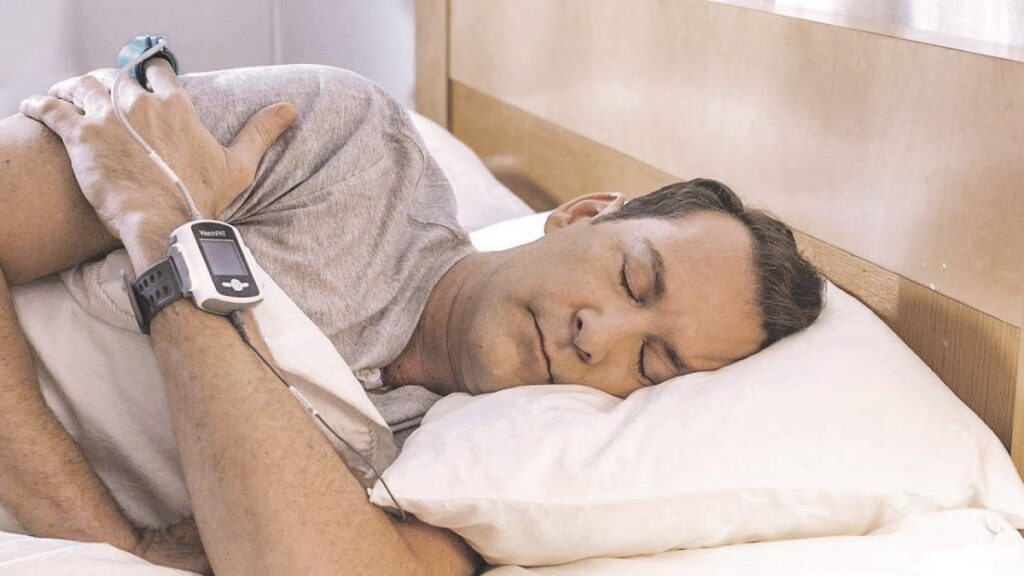
For a home study, they usually won’t need an overnight bag, but they should still prepare. They should bring their phone (charged), a stable place to set up the device, and comfortable sleepwear. If the kit is picked up from a Brisbane clinic, they should bring ID and the booking details.

A home-based sleep test Brisbane appointment often includes a short fitting session, so arriving with time to ask questions is helpful.

What should they expect on arrival, and what do they need for check-in?

They should expect a brief check-in, paperwork, and questions about sleep habits and symptoms. They should arrive on time, as sensor setup can take longer than expected, especially for first-time patients.

For a sleep test Brisbane appointment, they should bring any required payment method and be ready to confirm who will receive the report, such as their GP or a specialist.

What should they bring for the morning after?

They should bring clothes for the next day, including workwear if they are going straight to work or appointments. They should pack basic grooming items like a comb and face wash because adhesive and paste can leave residue in hair and on skin.

After a sleep test Brisbane appointment, many people appreciate having wipes or a small towel to clean up before heading home through Brisbane traffic.

How can they prepare their hair and skin for sensors and adhesives?

They should wash their hair on the day and avoid hair oils, heavy conditioners, gels, or sprays. Clean, dry skin helps electrodes and bands stay in place overnight.

For a sleep test Brisbane appointment, this step is simple but important because poor adhesion can lead to sensor dropouts and a repeat study.

What questions should they ask the clinic before they arrive?

They should ask whether the study is diagnostic or includes CPAP titration, what time to arrive, and whether they can bring their own pillow. They should also ask about parking, after-hours entry, and what time they will likely be discharged in the morning.

For a sleep test Brisbane appointment, clarifying these details reduces stress and helps them plan transport, especially if they feel tired the next day.

How should they plan transport and next-day commitments?

They should plan for a slower morning, as they may feel a bit sleep-deprived after sleeping with sensors. If they have a long drive across Brisbane, they should consider a safer option if they are very drowsy, such as getting a lift or using a rideshare.

After a sleep test Brisbane appointment, it’s wise to avoid scheduling high-stakes tasks early, such as exams, long site work, or extended motorway driving.
brisbane sleep test

What’s a simple packing checklist they can follow?

They can pack the essentials below and adjust based on whether it’s in-lab or home-based. For a sleep test Brisbane appointment, this list covers what clinics commonly expect.

  • Photo ID, Medicare card, private health details (if relevant)
  • Booking confirmation and referral (if provided)
  • Medication list and regular medications (original packaging)
  • Comfortable pyjamas and next-day clothes
  • Toiletries: toothbrush, toothpaste, deodorant, contact lens items
  • Phone, charger, book or quiet entertainment
  • Water bottle and a light snack (if needed)
  • Optional comfort items: pillow, eye mask, earplugs
  • CPAP mask or machine (only if the clinic requests it)

What should they do if they forget something important?

They should call the clinic as soon as they realise, as many items can be supplied or alternatives suggested. Most Brisbane clinics can provide basics like spare toothbrushes, but specialised items like CPAP masks or prescription medications are harder to replace.

If they are unsure, the safest approach is to ask directly, because each sleep test Brisbane appointment can differ based on the study type and the clinic’s protocols.

Related : What Determines Sleep Apnea Test Cost Australia Wide?
Who Qualifies for a Bulk-Bill Sleep Study Adelaide Referral?

A bulk-bill sleep study Adelaide referral is usually available to people who meet Medicare rules and the clinic’s eligibility checks. In practice, that means they often need a valid GP referral, symptoms that justify investigation, and access to a provider that offers bulk billing or a no-gap pathway in Adelaide.

Because billing policies vary between public hospitals, private clinics, and home sleep test providers, eligibility is both medical and administrative. The sections below explain who typically qualifies and what they can do if they do not.

What is a bulk-bill sleep study Adelaide referral?

A bulk billed sleep study in Adelaide referral is a GP or specialist referral used to access a sleep study where the provider bills Medicare directly. If the provider accepts bulk billing for that service, the patient generally has no out-of-pocket cost for the eligible component.

Some services are only partly bulk billed, such as a consult being bulk billed while equipment hire attracts a fee. They should confirm what is included before booking.

Who can issue a bulk-bill sleep study Adelaide referral in South Australia?

Most people start with a GP, who can issue a referral to a sleep physician or a sleep study provider. In some cases, a specialist can also refer them onward for testing if the clinical picture is clear.

The key is that the referral needs to be valid and correctly addressed for the provider’s requirements. If it is incomplete, the clinic may ask for an updated bulk-bill sleep study Adelaide referral before proceeding.

What symptoms usually justify a bulk-bill sleep study Adelaide referral?

They usually need symptoms that suggest a clinically relevant sleep disorder, especially obstructive sleep apnoea. Common triggers include loud snoring, witnessed pauses in breathing, choking or gasping at night, and excessive daytime sleepiness.

Other reasons include morning headaches, unrefreshing sleep, high blood pressure with sleep symptoms, or safety concerns like drowsy driving. A bulk-bill sleep study Adelaide referral is more likely when symptoms indicate a clear need for investigation.

How does Medicare eligibility affect a bulk-bill sleep study Adelaide referral?

Medicare is the foundation for bulk billing, so they generally need to be Medicare-eligible for the billed service. If they do not have Medicare, they may still be able to do a sleep study in Adelaide, but it will typically be self-funded.

Even with Medicare, not every provider bulk bills every patient. A bulk-bill sleep study Adelaide referral can only lead to no-gap testing if the chosen clinic participates and has availability under their bulk-billing policy.

Do concession card holders have priority for a bulk-bill sleep study Adelaide referral?

Many clinics prioritise or strongly prefer concession card holders for bulk-billed appointments, especially when demand is high. Pensioner Concession Card holders, Health Care Card holders, and some DVA card holders may find more bulk-billed options.

That said, it is not a universal rule, and some providers bulk bill based on clinical severity instead. They should ask the clinic what criteria apply to a bulk-bill sleep study Adelaide referral.

Can children qualify for a bulk-bill sleep study Adelaide referral in Adelaide?

Children can qualify when their symptoms suggest a sleep-related breathing disorder, such as snoring with disturbed sleep, behavioural issues linked to poor sleep, or suspected apnoeas. In Adelaide, paediatric pathways often run through public hospital services or specialist paediatric clinics.

Because paediatric sleep studies can have different setups and waiting lists, parents or guardians should confirm referral requirements early. A bulk-bill sleep study Adelaide referral for a child may depend on whether the service is public, private, or mixed billing.

Other Resources : GP referrals for respiratory function and sleep studies

Does a diagnosis like obesity or hypertension make a bulk-bill sleep study Adelaide referral more likely?

Comorbidities can make a referral more clinically compelling, particularly when paired with typical symptoms. Obesity, resistant hypertension, type 2 diabetes, atrial fibrillation, and heart disease can raise suspicion of sleep apnoea and increase urgency.

Clinics still assess the whole picture, including symptom severity and risk screening scores. A bulk-bill sleep study Adelaide referral is not guaranteed, but documented comorbidities can support medical necessity.

Can shift workers qualify for a bulk-bill sleep study Adelaide referral?

Shift workers may qualify if they have signs of a sleep disorder beyond normal fatigue from roster changes. For example, excessive sleepiness, microsleeps, or symptoms of sleep apnoea can justify testing.

They may also be assessed for shift work sleep disorder or insomnia-related issues, depending on the provider. A bulk-bill sleep study Adelaide referral is more likely when symptoms create safety risks, especially for driving or operating machinery.

bulk billed sleep study in adelaide

What role does the Epworth Sleepiness Scale play in a bulk-bill sleep study Adelaide referral?

The Epworth Sleepiness Scale is a common screening tool used in Australian general practice and sleep clinics. A higher score can support the need for further assessment, particularly if the person reports sleepiness in passive situations or while commuting.

It is not a standalone approval tool, but it helps document severity. Many GPs include it in the notes attached to a bulk-bill sleep study Adelaide referral to strengthen the clinical case.

See Also : What Should You Bring to a Sleep Test Brisbane Appointment?

Is a home sleep test more likely to be bulk billed than an in-lab study in Adelaide?

Home sleep tests can be easier for providers to offer at low or no cost, depending on their business model and Medicare claiming pathways. They are often used when obstructive sleep apnoea is strongly suspected and no complex conditions are present.

In-lab studies are typically more resource-intensive, so bulk billing may be less common or limited to public hospital systems. If their bulk-bill sleep study Adelaide referral is aimed at a no-gap option, home testing may be the first step.

When is an in-lab sleep study required even with a bulk-bill sleep study Adelaide referral?

In-lab testing may be recommended when the case is complex or when a home test is unlikely to answer the question. Examples include suspected central sleep apnoea, significant lung or neuromuscular disease, possible parasomnias, or inconclusive home test results.

Some providers start with home testing and escalate if needed. They should view the bulk-bill sleep study Adelaide referral as entry into assessment, not a guarantee of a specific test type.

Do they need a specialist appointment before using a bulk-bill sleep study Adelaide referral?

Some Adelaide services accept a GP referral directly for a home sleep test, while others require a sleep physician consult first. The pathway depends on the provider’s policy and how Medicare items are claimed.

If a specialist consult is required, that consult may or may not be bulk billed. They should ask what steps sit between the bulk-bill sleep study Adelaide referral and the actual test, including any potential fees.

How do public hospital waiting lists affect a bulk-bill sleep study Adelaide referral?

Public hospital sleep services in South Australia may provide low-cost care, but wait times can be significant. Triage is usually based on severity, safety risk, and clinical need.

They may be offered interim measures, such as sleep hygiene support or expedited review if risks are high. If time is critical, they might take a bulk-bill sleep study Adelaide referral to a participating private provider instead, if available.

What documents should they bring to use a bulk-bill sleep study Adelaide referral?

They typically need their Medicare card, any concession card, and a photo ID if the clinic requests it. They should also bring the referral letter and any relevant medical history, such as blood pressure readings or existing heart or lung diagnoses.

If they have a bed partner, it can help to provide observations like witnessed apnoeas. A well-prepared bulk-bill sleep study Adelaide referral appointment reduces delays and repeat visits.

What can stop someone from qualifying for a bulk-bill sleep study Adelaide referral?

They may not qualify if the provider does not bulk bill their category of patient, if Medicare rules are not met for the claimed service, or if the referral is not valid. Sometimes the barrier is purely administrative, such as an expired referral period or a mismatch in provider details.

They may also be advised that a sleep study is not clinically indicated yet. In that case, the GP might pursue other causes of fatigue before reissuing a bulk-bill sleep study Adelaide referral.

How can they improve their chances of getting a bulk-bill sleep study Adelaide referral approved?

They can improve their chances by documenting symptoms clearly, including frequency, severity, and safety impacts. If they have high-risk factors, they should ensure these are in the referral notes, along with screening results like Epworth scores.

They should also call Adelaide clinics to ask whether they accept bulk billing for their situation and what paperwork is required. A targeted bulk-bill sleep study Adelaide referral sent to the right provider is often the difference.

What costs might still apply even with a bulk-bill sleep study Adelaide referral?

Even when the test is bulk billed, there may be costs for add-ons such as faster reporting, telehealth reviews, equipment loss policies, or CPAP trials. Some providers bulk bill the diagnostic test but charge for the specialist consultation.

They should ask for a written quote of any non-Medicare charges before confirming. A bulk-bill sleep study Adelaide referral reduces costs, but it does not automatically make the entire pathway free.

bulk billed sleep study in adelaide

What happens after they use a bulk-bill sleep study Adelaide referral and get results?

They usually receive a report that outlines the diagnosis, severity, and recommended next steps. If obstructive sleep apnoea is found, treatment may include CPAP, mandibular advancement splints via a dentist, weight management support, or positional therapy.

Follow-up may be with a GP, a sleep physician, or a sleep clinic, depending on the pathway. A bulk-bill sleep study Adelaide referral is often just the start, so they should plan for ongoing care.

Where can they take a bulk-bill sleep study Adelaide referral in Adelaide?

They can start by asking their GP which local providers currently offer bulk billing, including home sleep test services and public hospital options. Availability changes, so it helps to confirm directly with clinics in metropolitan Adelaide and nearby suburbs.

They should compare wait times, inclusions, and whether follow-up is also bulk billed. When they treat a bulk-bill sleep study Adelaide referral like a shortlist process, they are more likely to find a truly no-gap option.

What Determines Sleep Apnea Test Cost Australia Wide?

Sleep apnea testing can look simple from the outside, but pricing varies a lot across the country. Sleep apnea test cost Australia wide is shaped by the test type, where it is done, who interprets it, and whether Medicare or private health insurance applies.

This guide explains what typically drives the final price, so they can compare options with fewer surprises.

What types of sleep tests are available in Australia?

The biggest driver of cost is the test itself. In Australia, common options include in-lab polysomnography (PSG) and at-home sleep studies (often called home sleep tests).

In general, lab studies record more signals and involve overnight staffing, so they usually cost more. Home studies often cost less, but may not suit every case. This is why sleep apnea test cost Australia wide can differ so much between providers.

How does an in-lab sleep study affect the price?

In-lab PSG is typically the most comprehensive and resource-heavy option. It usually includes a dedicated room, overnight monitoring, more sensors, and a supervised environment.

Those extras often raise the fee, especially in major metro areas like Sydney, Melbourne, Brisbane, Perth, and Adelaide. When someone is quoted a higher figure, it is often because the clinic is offering an in-lab study rather than a home test, which directly impacts sleep apnea test cost Australia wide.

How does a home sleep test change the cost?

Home sleep tests are often cheaper because they use fewer channels and do not require overnight accommodation or on-site sleep technicians. Many services post the device to the patient, then arrange data upload and scoring.

Home testing can still vary in price depending on inclusions. Some providers bundle clinician review and follow-up, while others charge separately. These packaging choices are a key reason sleep apnea test cost Australia wide varies, even for tests that look similar.

Does test accuracy or complexity influence pricing?

More complex testing and interpretation usually costs more. Someone with suspected central sleep apnoea, significant comorbidities, or complex breathing patterns may be directed to a lab study for more detailed signals.

If a provider expects a more involved setup, more sensors, or additional analysis time, the quote can rise. Complexity is not always obvious to patients, but it often sits behind higher sleep apnea test cost Australia wide quotes.

How does Medicare eligibility affect what they pay?

Medicare can reduce out-of-pocket costs when testing is clinically indicated and arranged under appropriate medical pathways. However, eligibility and rebates depend on the item claimed and how the test is ordered.

Some clinics bill Medicare for eligible services, while others operate largely privately. Whether Medicare applies is one of the most important variables in sleep apnea test cost Australia wide, and they should ask what is claimable before booking.

How does private health insurance change the final bill?

Private health insurance may cover some costs, especially for in-hospital or contracted services, but it depends on the fund, level of cover, waiting periods, and whether the provider has an agreement.

Some patients still face gap fees for physician reporting, lab fees, or consumables. Because policies differ widely, private cover can either reduce or barely change sleep apnea test cost Australia wide for the same test.

sleep apnea test cost australia

Other Resources : Anaesthesia, Sleep & Sleep Apnoea

Do referrals and specialist appointments add to the total cost?

Often, yes. Many people first see a GP, then may be referred to a sleep physician or respiratory specialist. Appointment fees can add to the overall spend, particularly if they are booking privately.

Some services include the referral review and reporting in a package, while others separate them. When comparing sleep apnea test cost Australia wide, they should look beyond the test fee and include pre-test and post-test consults.

What role does the reporting clinician play in pricing?

Sleep studies are not just device downloads. A qualified clinician typically interprets and signs off the results, and that professional time can be billed in different ways.

Some providers use sleep physicians for reporting; others use trained scientists with medical oversight depending on the model of care. A higher clinician involvement level can increase sleep apnea test cost Australia wide, but it may also influence the depth of follow-up planning.

How do follow-up inclusions affect the quoted price?

One clinic may quote a low entry price for the test only, then charge for a results appointment, CPAP discussion, or additional reports. Another may bundle follow-up into a single fee.

They should ask whether the price includes a results consult, written report, treatment discussion, and referral letters if needed. Bundling is a common reason sleep apnea test cost Australia wide looks inconsistent across quotes.

Does location in Australia change the price?

Location matters because operating costs and competition differ. Metro clinics often have more choice and may run promotional pricing for home tests, while some regional areas have fewer providers and higher logistics costs.

Freight, technician availability, and clinic overheads can all shift pricing. It is normal for sleep apnea test cost Australia wide to differ between capital cities and regional centres, even within the same state.

Do after-hours or urgent bookings cost more?

They can. Some services offer expedited shipping, rapid scoring, or priority reporting for people needing quick answers, such as commercial drivers or pre-operative patients.

Faster turnaround may come with higher fees. If they are comparing sleep apnea test cost Australia wide, they should check whether a quote includes standard reporting times or premium turnaround.

How do equipment type and consumables influence cost?

Different devices, sensor sets, and consumables can change the underlying cost base. Single-use items, additional belts, nasal cannulas, and other components may be included or billed separately depending on the provider.

Even home sleep test kits can vary significantly in sophistication and replacement parts. Equipment choices are another quiet driver of sleep apnea test cost Australia wide that rarely shows up in headline advertising.

Can telehealth models reduce the cost?

Telehealth can reduce some overheads, especially for follow-up consults and results discussions. Many Australian services now handle booking, instructions, and reviews remotely for home testing.

That model may reduce fees, but not always. Some telehealth providers price for convenience, while others compete aggressively. It is still a factor that can shift sleep apnea test cost Australia wide, particularly for people outside major cities.

Are there hidden costs they should ask about upfront?

Yes, and asking early prevents bill shock. Common add-ons include replacement fees for damaged devices, missed appointment charges, additional reporting letters, or repeat studies if the first test is inconclusive.

They should also check whether CPAP trials, mask fitting, or treatment education is sold separately. These extras can change sleep apnea test cost Australia wide from a simple quote into a much larger total.

sleep apnea test cost australia

When is repeat testing needed, and how does that affect cost?

Repeat testing may be recommended if the first study fails due to poor signal quality, insufficient sleep time, or unclear results. It may also occur after significant weight change, surgery, or treatment changes.

Some providers discount repeat tests within a set period, while others charge full price again. Repeat studies are a practical reason sleep apnea test cost Australia wide can end up higher than expected.

How should they compare providers fairly across Australia?

They should compare like-for-like inclusions, not just the headline price. A fair comparison checks the test type, what is monitored, who reports it, turnaround time, and whether a results consult is included.

They should also confirm Medicare and private health pathways, plus any cancellation or device replacement policies. A checklist approach makes sleep apnea test cost Australia wide easier to judge across different clinics.

What is the simplest way to lower costs without cutting corners?

The most reliable approach is matching the right test to the clinical need. If a home sleep test is appropriate, it may reduce out-of-pocket costs while still answering the key diagnostic questions.

They can also ask their GP about Medicare-eligible pathways and confirm inclusions before paying. With clear questions upfront, sleep apnea test cost Australia wide becomes more predictable, and they can focus on getting timely treatment rather than chasing invoices.

More to Read : Who Qualifies for a Bulk-Bill Sleep Study Adelaide Referral?

Home Tonometry 2026: Remote Eye Pressure Monitoring Guide

Home Tonometry in 2026: Can Remote Eye Pressure Monitoring Save Your Sight?

The landscape of ophthalmic care in Australia has undergone a seismic shift. As we navigate 2026, the traditional model of “snapshot” Intraocular Pressure (IOP) readings at a clinic is being replaced by a more dynamic, data-driven approach. Home tonometry in 2026 has emerged as a critical tool, offering patients and clinicians the ability to track eye pressure fluctuations in real-time, potentially saving the sight of thousands of Australians living with glaucoma.

For many, the question is no longer just “What is my eye pressure today?” but “What is my eye pressure doing while I sleep, work, or exercise?” Remote eye pressure monitoring bridges this gap, providing the granular data necessary to prevent irreversible optic nerve damage.

See more: Types of Cataract Surgery: Which Procedure Is Right for You?


What is Home Tonometry and How Does Remote Monitoring Work?

At its core, tonometry is the measurement of the fluid pressure inside the eye. Historically, this required a visit to an optometrist or ophthalmologist for Goldmann Applanation Tonometry (GAT)—the “gold standard.” However, GAT only provides a single data point in time.

The Evolution of the Icare Home2

In 2026, the TGA-approved Icare Home2 tonometer dominates the Australian market. This device uses “rebound technology,” where a tiny, lightweight probe momentarily touches the cornea. It requires no anaesthetic drops and no specialized medical training, making it safe for use in a domestic setting.

The Ecosystem of Remote Monitoring

Remote eye pressure monitoring isn’t just about the device; it’s about the digital ecosystem:

  • The Device: A portable handheld tonometer used by the patient.
  • The App: Data is synced via Bluetooth to a smartphone application.
  • The Cloud: Encrypted data is uploaded to a secure platform (often integrated with Australian My Health Record standards).
  • The Clinician Dashboard: Your ophthalmologist reviews the “pressure curve” to identify dangerous spikes that occur outside of office hours.

Why “Snapshot” Clinical Readings Are No Longer Enough

The primary challenge with glaucoma is that IOP is not static. Much like blood pressure, eye pressure fluctuates throughout a 24-hour cycle.

The Danger of Diurnal Variation

Research indicates that many patients experience their highest IOP readings at night or in the early morning hours—times when clinics are closed. If a patient’s pressure is 15 mmHg at 2:00 PM in a Sydney clinic but spikes to 28 mmHg at 3:00 AM, the clinician may falsely believe the current treatment is working while the disease silently progresses.

Identifying “Spikers”

Home tonometry allows for the identification of “spikers”—individuals whose average pressure seems normal but who suffer from transient, high-pressure events. By capturing these peaks, remote eye pressure monitoring provides the “Information Gain” necessary to adjust medication or recommend surgical intervention before vision loss occurs.


The Benefits of Remote Eye Pressure Monitoring in Australia

The adoption of home-based monitoring offers multifaceted benefits for the Australian healthcare consumer, particularly those in regional or underserved areas.

1. Personalised Treatment Protocols

Rather than a “one size fits all” approach to eye drops, ophthalmologists can tailor prescriptions based on the patient’s specific diurnal rhythm.

2. Peace of Mind and Patient Empowerment

Living with a “silent thief of sight” like glaucoma causes significant anxiety. Having the ability to check pressure at home provides patients with a sense of control over their condition.

3. Reduced Travel Burden

For patients in rural NSW, Queensland, or Western Australia, frequent trips to a metropolitan specialist are exhausting and expensive. Remote monitoring reduces the need for “check-up only” appointments.

4. Verification of Treatment Efficacy

After a Selective Laser Trabeculoplasty (SLT) or a MIGS (Minimally Invasive Glaucoma Surgery) procedure, home tonometry can immediately verify if the intervention has successfully lowered the baseline pressure.

glaucoma surgery
FeatureClinical Tonometry (GAT)Home Tonometry (Rebound)
ConvenienceLow (requires appointment)High (anytime, anywhere)
Data FrequencySingle data pointMultiple daily points
AnaestheticRequiredNot required
AccuracyGold StandardHighly comparable for trends
CostCovered by Medicare/PrivateOut-of-pocket or lease

Real-World Use Cases: Saving Sight in 2026

Case Study: The “Normal Tension” Patient

A 62-year-old patient in Brisbane showed progressing optic nerve damage despite “normal” clinic readings of 14 mmHg. After one week of home tonometry, it was discovered that her pressure spiked to 24 mmHg every evening at 9:00 PM. Her medication schedule was adjusted, and the progression halted.

Case Study: Post-Surgical Monitoring

A patient in Perth underwent a Xen Gel Stent implantation. Using remote monitoring, his surgeon was able to track his recovery daily from 2,000km away, ensuring the bleb remained functional without requiring the patient to fly back for weekly reviews.


A Step-by-Step Framework for Starting Home Tonometry

If you are considering home tonometry in 2026, follow this industry-standard framework to ensure clinical accuracy:

  1. Specialist Consultation: You must have a referral or a recommendation from your ophthalmologist. They will determine if your corneal thickness and eye shape are suitable for rebound technology.
  2. Device Acquisition: In Australia, devices like the Icare Home2 can be purchased outright or leased for shorter “assessment periods” (usually 1–2 weeks).
  3. Calibration and Training: Attend a 15-minute training session (in-person or via telehealth) to learn the correct alignment and distance from the eye.
  4. The Measurement Phase: Typically, measurements are taken 4–6 times a day for a week. Common times include waking, midday, evening, and before bed.
  5. Data Syncing: Ensure your device is paired with the relevant app to upload data to your clinic’s portal.
  6. Review Consultation: Meet with your specialist to interpret the “IOP curve” and adjust your management plan.

Best Practices and Advanced Tips for 2026

To get the most out of remote eye pressure monitoring, keep these professional tips in mind:

  • Consistency is Key: Take measurements at the same times each day to establish a reliable baseline.
  • Posture Matters: Always take your readings in the posture recommended by your doctor (usually sitting upright), as changing positions can artificially alter IOP.
  • Maintain Hygiene: While the probes are disposable, ensure your hands are clean and the device lens is free of dust to avoid error codes.
  • Don’t “Over-Check”: Checking your pressure 20 times a day due to anxiety can lead to corneal irritation. Stick to the prescribed schedule.

Common Mistakes and How to Avoid Them

  • Squeezing the Eyelids: Reflexively squinting during a measurement will cause a false high reading. Practice keeping both eyes open and relaxed.
  • Ignoring Error Messages: Modern tonometers have “tilt sensors.” If the device indicates an incorrect angle, discard that reading and try again.
  • Self-Adjusting Medication: Never change your eye drop dosage based on a home reading without consulting your ophthalmologist. Home tonometry is a tool for data collection, not self-diagnosis.

Internal Linking & References

Suggested Internal Links (Anchor Text):

  • glaucoma treatment costs Australia
  • Medicare rebates for ophthalmology 2026
  • MIGS surgery recovery guide
  • understanding visual field tests

Authoritative External References:

  1. Glaucoma Australia: Guidelines for Home Monitoring and Patient Support.
  2. The Royal Australian and New Zealand College of Ophthalmologists (RANZCO): Position Statement on Rebound Tonometry.

FAQ: Home Tonometry in 2026

1. Is home tonometry as accurate as the doctor’s office?

While Goldmann Applanation Tonometry remains the clinical standard, modern rebound tonometers are highly accurate for tracking trends and fluctuations. They provide a much more complete picture of your eye health than a single office visit.

2. Can I get a Medicare rebate for a home tonometer?

As of early 2026, Medicare typically does not cover the purchase of the device itself. However, many private health funds in Australia provide rebates under “Health Management” or “Optical” extras. Some clinics also offer Medicare-billed telehealth reviews of the data.

3. Does the probe hurt?

No. The probe is extremely light and moves so quickly that most patients only feel a slight “tickle” or nothing at all. No numbing drops are required.

4. How often should I use the device?

For a standard “pressure mapping” phase, specialists usually recommend 4 to 6 times a day for one week. For long-term management, you might only check once or twice a week.

5. Can I use home tonometry for kids?

Yes, rebound tonometry is often preferred for children because it is fast, non-invasive, and doesn’t require the “puff of air” that many children find frightening.


Conclusion: The Future of Sight Preservation

Home tonometry in 2026 is no longer a futuristic concept—it is a present-day necessity for high-level glaucoma management. By embracing remote eye pressure monitoring, Australians can move beyond the limitations of office-hour snapshots and into a world of continuous, proactive care. This technology identifies risks that were previously invisible, allowing for interventions that truly save sight.

Types of Cataract Surgery: Which Procedure Is Right for You?

Introduction: Understanding Cataracts and the Need for Surgery

Cataracts are a common eye condition, especially as we age. This occurs when the natural lens of the eye becomes cloudy, resulting in blurry vision, difficulty seeing at night, and sensitivity to light. As cataracts develop, they can significantly affect day-to-day activities such as reading, driving, and watching TV. When cataracts start interfering with your daily life and cannot be managed with glasses or contacts, surgery becomes necessary.

Cataract surgery is the most effective way to restore clear vision. However, not all cataract surgeries are the same. Different techniques and methods can be used depending on your specific condition, eye health, and lifestyle needs. In this article, we’ll explore the various types of cataract surgery and help you understand which procedure might be right for you.

See more: The 5 Must-Do Tips To Aid Quick Recovery After A LASIK Procedure


What Is Cataract Surgery?

Cataract surgery involves the removal of the cloudy natural lens from your eye and replacing it with an artificial lens known as an intraocular lens (IOL). This procedure is typically performed when the cataract has progressed to the point where it impairs your vision significantly. Cataract surgery is highly effective, and millions of people undergo it every year, with a success rate of over 95%.

The procedure is generally quick, usually lasting between 15 and 30 minutes, and performed on an outpatient basis. Patients can typically go home the same day and recover in a relatively short period.


Before Cataract Surgery

Pre-Surgery Eye Tests

Before undergoing cataract surgery, your eye doctor will conduct a series of tests to assess the severity of the cataract and the overall health of your eyes. Some of the most common pre-surgery eye tests include:

  • Vision Test: To determine how much your vision is impaired and how much it affects your daily activities.
  • Eye Measurements: Your eye’s size and shape are measured to select the appropriate intraocular lens (IOL) for you.
  • Retinal Health Assessment: The back of your eye (the retina) is examined to ensure there are no other conditions, such as macular degeneration, that could complicate recovery.
  • Corneal Mapping: The curvature of the cornea is measured to determine the right IOL and ensure the surgery’s success.

These tests typically take about an hour and are essential for customizing the surgery to your specific needs.

Preparation Steps

Leading up to the surgery, your doctor will provide you with instructions to ensure that you’re properly prepared:

  • Medications: You may need to stop taking certain medications, such as blood thinners, in the days before the surgery.
  • Eye Drops: You’ll be prescribed eye drops to prevent infection and reduce inflammation.
  • Fasting: For some types of anaesthesia, you may be required to fast for several hours before surgery.

Make sure to follow these instructions closely to ensure the surgery goes smoothly.

What Patients Should and Shouldn’t Do

Before the procedure, you’ll need to avoid certain things:

  • Do: Follow all medication instructions and use prescribed eye drops.
  • Don’t: Wear makeup, lotions, or perfumes on the day of surgery to avoid increasing the risk of infection.

During Cataract Surgery

How the Procedure Is Performed

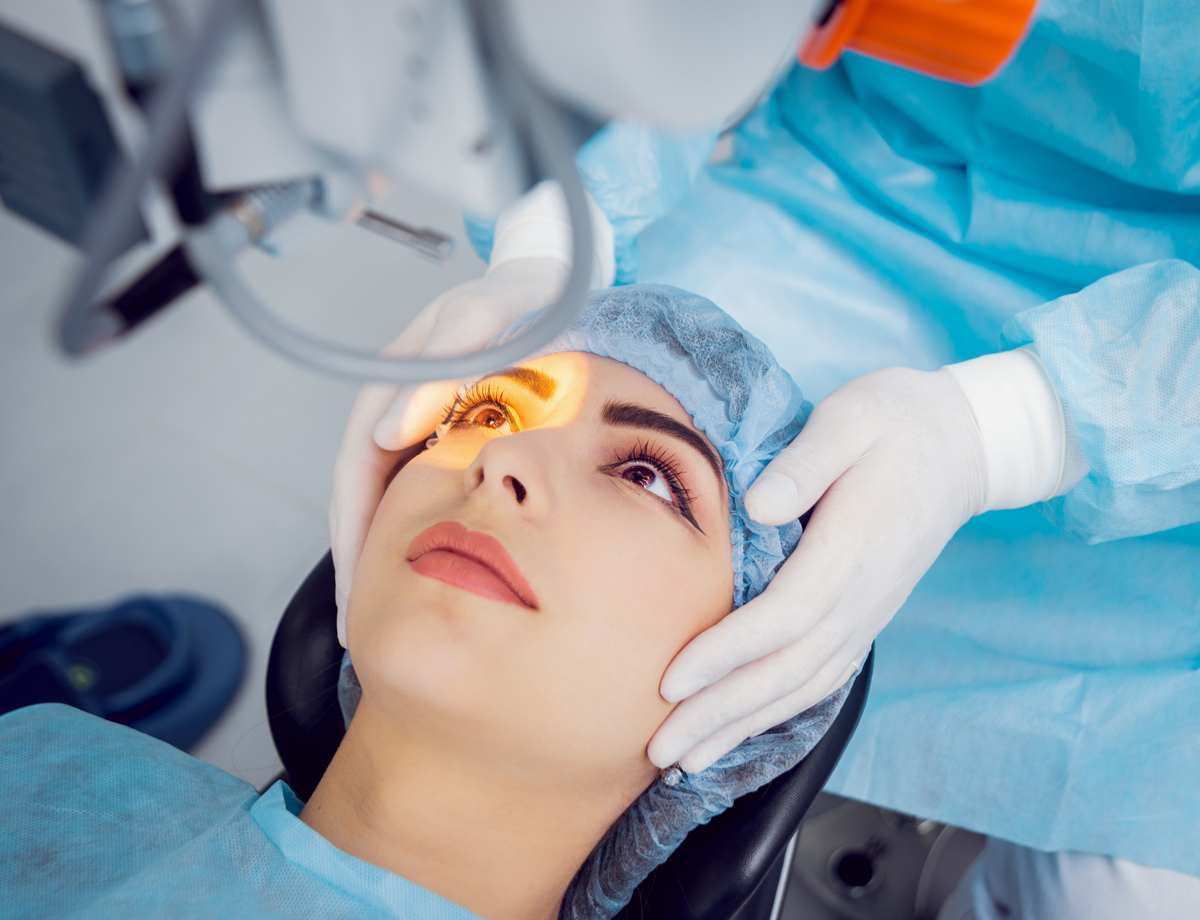
Cataract surgery is typically performed under local anaesthesia, which numbs the eye, so you remain awake but comfortable during the procedure. Here’s a general overview of how the surgery works:

  1. Anaesthesia: Local anaesthesia is applied to numb the eye. A mild sedative may also be given to help you relax.
  2. Incision: The surgeon makes a small incision, usually about 2.5 to 3 mm, in the cornea (the clear front layer of the eye).
  3. Cataract Removal: The surgeon uses a technique called phacoemulsification to break up the cloudy lens using ultrasound energy, which is then gently suctioned out.
  4. Lens Replacement: After the cataract is removed, the surgeon will insert an intraocular lens (IOL) into the eye. The IOL replaces the natural lens and helps restore focus.
  5. Closing the Incision: The incision is small enough that it typically doesn’t require stitches. It heals naturally.

Pain Management and Duration

Cataract Surgery

Cataract surgery is usually painless because of the local anaesthesia. During the procedure, you may feel mild pressure but should not experience pain. The surgery itself usually lasts between 15 and 30 minutes, and patients often report feeling comfortable throughout the process.

What Patients Experience During Surgery

You will be awake during the surgery, but most patients feel relaxed. You may see light or vague shapes but will not feel pain. Afterward, some people may experience mild irritation or a gritty feeling in the eye, but this should go away quickly.


After Cataract Surgery

Recovery Timeline

Cataract surgery recovery is relatively quick for most people, though the exact timeline varies. Here’s what you can expect:

  • First 24-48 Hours: Your vision may be blurry, and you may experience mild discomfort, dryness, or a scratchy feeling in the eye. These symptoms are typically short-lived.
  • Week 1: Many patients notice significant improvement in their vision within the first week, though some blurriness or light sensitivity may persist.
  • Week 2-4: Vision continues to improve, and most people can return to regular activities by the end of the first month. However, avoid heavy lifting or strenuous activities during this period.
  • 6-8 Weeks: Full recovery occurs by about 6 to 8 weeks after surgery. Your vision should stabilize, and you’ll likely experience a dramatic improvement.

Vision Changes

One of the major benefits of cataract surgery is the improvement in vision. Most people experience a noticeable difference in the quality of their sight, particularly in low-light situations and when driving at night.

Some people still require reading glasses after surgery, especially if they have presbyopia (difficulty focusing on near objects due to aging). The type of intraocular lens (IOL) chosen will influence your need for glasses.

Post-Operative Care and Restrictions

After cataract surgery, you’ll need to follow certain guidelines to ensure a smooth recovery:

  • Use Eye Drops: You will be given eye drops to prevent infection and inflammation.
  • Avoid Rubbing Your Eye: Refrain from touching or rubbing the operated eye to avoid irritation or complications.
  • Wear Protective Shield: For the first few nights after surgery, you may be advised to wear a protective shield over your eye while sleeping.
  • Avoid Strenuous Activities: For several weeks, avoid activities like heavy lifting, swimming, or vigorous exercise.

Benefits and Success Rates

Cataract surgery is extremely effective, with more than 95% of patients experiencing improved vision. Benefits include:

  • Improved Vision: Most patients notice a significant improvement in vision, especially in low-light conditions and for activities like driving and reading.
  • Quick Recovery: The recovery process is usually short, and many people can return to normal activities within a few weeks.
  • Higher Quality of Life: With restored vision, patients can resume activities they may have avoided due to cataracts, leading to improved independence and confidence.

Possible Risks and Side Effects

Although cataract surgery is highly successful, like any medical procedure, it carries some risks. Possible complications include:

  • Infection: While rare, infection can occur after surgery. Following proper post-operative care significantly reduces this risk.
  • Inflammation: Some patients experience swelling or redness in the eye after surgery, but this usually resolves with medication.
  • Glare or Halos: Some patients report seeing glare or halos around lights after cataract surgery, especially at night. This is usually temporary.
  • Retinal Detachment: Though uncommon, retinal detachment is a serious complication that requires immediate medical attention.

When to Contact Your Eye Doctor

If you experience any of the following symptoms after cataract surgery, contact your eye doctor:

  • Severe Pain: While mild discomfort is normal, intense pain should be addressed promptly.
  • Sudden Vision Loss: If you experience sudden or significant vision loss, it’s crucial to seek medical help immediately.
  • Excessive Redness or Swelling: If the redness or swelling in your eye doesn’t improve, contact your doctor.
  • Flashes of Light or Floaters: These could indicate a retinal issue, and it’s important to seek medical advice if you notice them.

Conclusion: Choosing the Right Cataract Surgery

Cataract surgery is a safe and highly effective procedure for restoring clear vision. There are several techniques available, and your doctor will recommend the best procedure based on your individual eye health, lifestyle, and preferences.

By understanding the different types of cataract surgery and their benefits, you can make an informed decision about the best option for you. If you are experiencing symptoms of cataracts, it’s important to consult with an eye specialist to discuss your options and determine the right time to have surgery.

Rest assured that cataract surgery has a high success rate, and with proper care, you can enjoy improved vision and a better quality of life.

FAQs

1. What are the different types of cataract surgery?

There are mainly two types of cataract surgery: phacoemulsification (the most common) and femtosecond laser-assisted cataract surgery (FLACS). Both procedures involve removing the clouded lens and replacing it with an IOL, but FLACS uses a laser to assist in the process, offering more precision.

2. How long does the cataract surgery procedure take?

Cataract surgery usually takes between 15 to 30 minutes. It’s performed under local anaesthesia, and patients are awake but comfortable throughout the process. The surgery is quick, and most people go home the same day.

3. Will I need glasses after cataract surgery?

Some people may still need glasses for reading or other close-up tasks after cataract surgery, especially if they have presbyopia. The type of intraocular lens (IOL) selected can affect your need for glasses, with some IOLs providing better distance and near vision without them.

4. Is laser-assisted cataract surgery better than traditional methods?

Laser-assisted cataract surgery can offer more precision than traditional methods, particularly in creating incisions and breaking up the cataract. However, it may come with higher costs, and not all patients require laser surgery. Your doctor can help you determine which method is best for you.

5. How soon can I return to normal activities after cataract surgery?

Most people can return to normal activities within a few weeks. However, you should avoid heavy lifting, vigorous exercise, and swimming for the first few weeks of recovery. Your doctor will provide guidelines based on your specific situation.

LASIK vs. PRK: Which Laser Eye Surgery Is Right for You?

Introduction

If you’ve been dreaming of waking up with perfect vision and saying goodbye to glasses or contact lenses, laser eye surgery might be the solution you’ve been waiting for. Two of the most popular procedures—LASIK and PRK—offer remarkable results, but they differ in technique, recovery, and suitability.

This comprehensive guide for 2025 breaks down everything you need to know about LASIK vs. PRK, helping you decide which procedure best fits your eyes and lifestyle.


Understanding Laser Eye Surgery

Laser eye surgery is a medical procedure that reshapes the cornea using advanced laser technology to correct refractive errors like nearsightedness, farsightedness, and astigmatism. By improving how light focuses on the retina, it helps achieve clearer, sharper vision—often without the need for corrective lenses.

Modern laser eye treatments, including LASIK, PRK, and SMILE, have revolutionized vision correction with their precision, safety, and lasting results.


What Is LASIK Eye Surgery?

LASIK (Laser-Assisted In Situ Keratomileusis) is the most well-known type of laser eye surgery. During the procedure, the surgeon creates a thin flap on the cornea’s surface using a femtosecond laser. The cornea is then reshaped underneath the flap with an excimer laser to correct vision errors.

Once the reshaping is complete, the flap is repositioned, acting as a natural bandage.

Benefits of LASIK

  • Rapid recovery time — most people notice improved vision within 24 hours.
  • Minimal discomfort during and after surgery.
  • Long-lasting results with high satisfaction rates.
  • Suitable for those with stable vision prescriptions.

Downsides of LASIK

  • Requires sufficient corneal thickness.
  • Slight risk of flap complications.
  • Some may experience temporary dry eyes or glare at night.

What Is PRK Eye Surgery?

PRK (Photorefractive Keratectomy) was the first type of laser eye surgery and remains a popular alternative to LASIK. Instead of creating a flap, the surgeon removes the cornea’s outer layer (epithelium) and reshapes the cornea directly with an excimer laser.

The epithelium naturally regenerates within a few days after surgery.

Benefits of PRK

  • Ideal for people with thin or irregular corneas.
  • No risk of flap-related complications.
  • Excellent long-term results, similar to LASIK.

Drawbacks of PRK

  • Longer recovery time — vision improvement may take several days to weeks.
  • Mild discomfort during healing.
  • Requires more post-operative care and patience.

LASIK vs. PRK: The Key Differences

FeatureLASIKPRK
Corneal flapYesNo
Recovery time24–48 hours5–7 days
DiscomfortMinimalModerate
Ideal candidatesThick corneasThin corneas
ComplicationsPossible flap issuesNone related to flaps

Both procedures deliver comparable vision outcomes, but your suitability depends on your corneal structure, eye health, and lifestyle preferences.


Am I Eligible for Laser Eye Surgery?

To qualify for LASIK or PRK, you generally must:

  • Be at least 18 years old.
  • Have a stable vision prescription for at least 12 months.
  • Have healthy corneas and no active eye infections.
  • Not be pregnant or breastfeeding.

Your ophthalmologist will perform a comprehensive eye exam to determine which procedure suits you best.

Laser Eye Surgery

The Laser Eye Surgery Procedure: Step by Step

Before Surgery

  • You’ll undergo a detailed eye assessment, including corneal mapping and vision tests.
  • Avoid wearing contact lenses for a few days before surgery.

During Surgery

  • The procedure typically takes 10–15 minutes per eye.
  • Anesthetic eye drops are used for comfort.
  • The laser reshapes the cornea based on your custom vision profile.

After Surgery

  • You’ll rest for a short period before going home.
  • Mild irritation or tearing may occur for a few hours.
  • You’ll receive eye drops to aid healing and prevent infection.

Recovery and Aftercare

LASIK Recovery

Most patients return to normal activities within 1–2 days. Vision stabilizes quickly, and post-surgery checkups ensure proper healing.

PRK Recovery

Recovery takes longer—typically 5–7 days for surface healing and up to a month for complete clarity. Sunglasses are recommended to protect your eyes during recovery.

Regardless of the method, follow your doctor’s instructions carefully and avoid rubbing your eyes or exposing them to dust and bright light.


Risks and Complications

Both LASIK and PRK are considered safe and effective, but as with any surgery, risks exist. These may include:

  • Dry eyes or irritation.
  • Temporary glare or halos at night.
  • Overcorrection or undercorrection (rare).
  • Infection (extremely uncommon with proper care).

Your surgeon will discuss potential risks based on your individual case.


Benefits of Laser Eye Surgery

  • Permanent reduction or elimination of glasses and contacts.
  • Fast and safe vision correction.
  • Improved confidence and convenience in daily activities.
  • Long-lasting results with minimal maintenance.

Cost of Laser Eye Surgery in 2025

In 2025, laser eye surgery costs in Australia range from $2,000 to $3,500 per eye, depending on the clinic, surgeon expertise, and laser technology used. Some clinics offer flexible payment options or interest-free financing plans.


Long-Term Vision Care

Even after laser eye treatment, maintaining healthy vision is vital. Schedule regular eye exams, wear UV-protective sunglasses, and follow your optometrist’s care advice. Most patients enjoy clear vision for decades, though minor age-related changes may occur over time.


Conclusion

Both LASIK and PRK offer outstanding vision correction results. The right choice depends on your eye structure, lifestyle, and comfort preferences. Consult an experienced ophthalmologist to explore your options and take the next step toward crystal-clear vision.

FAQS

How long does recovery take?

Recovery varies by procedure. LASIK patients often return to normal life within 24–48 hours, while PRK recovery may take up to a week. Vision clarity continues improving for several weeks until full stabilization.

Who is a good candidate for laser eye surgery?

Ideal candidates are adults over 18 with a stable vision prescription, healthy corneas, and no major eye conditions. People with thin corneas are often better suited for PRK, while LASIK suits those with thicker corneas.

How long do results from laser eye surgery last?

Results are long-lasting—most patients enjoy decades of clear vision. However, natural aging and eye changes (like presbyopia) may still require reading glasses later in life. Regular checkups help maintain optimal eye health.

Is laser eye surgery painful?

No, laser eye surgery is not painful. Anesthetic eye drops numb your eyes during the procedure. You may feel mild pressure or slight irritation afterward, which usually subsides within a few hours. PRK patients may experience mild discomfort for a few days during healing.

Sleep Study Hornsby: What to Bring and How to Prepare for the Night

What Is a Sleep Study and Why Is It Conducted at Hornsby?

A sleep study, medically termed polysomnography, is a comprehensive diagnostic test that monitors multiple body functions throughout the night to identify sleep-related disorders. This non-invasive procedure records brain waves, heart rate, breathing patterns, oxygen levels, eye movements, and leg movements whilst you sleep.

The polysomnography test serves as the gold standard for diagnosing various sleep conditions:

  • Sleep apnoea – repeated breathing interruptions during sleep
  • Narcolepsy – excessive daytime sleepiness and sudden sleep attacks
  • REM behaviour disorder – physical acting out of dreams
  • Periodic limb movement disorder – involuntary leg twitching or jerking

Hornsby sleep clinic provides a specialised facility designed specifically for accurate sleep monitoring. Conducting studies in a controlled environment offers distinct advantages over home testing. The laboratory setting ensures precise electrode placement, real-time monitoring by trained technologists, and immediate intervention if safety concerns arise during the night.

The sleep study purpose extends beyond simple diagnosis. Results guide treatment decisions, determine appropriate CPAP pressure settings for apnoea patients, and establish baseline measurements for tracking condition progression. Specialised centres like Hornsby maintain standardised protocols and equipment calibration, ensuring consistent, reliable data collection that physicians trust when developing your personalised treatment plan.

What Should Patients Bring to Their Sleep Study at Hornsby?

Patients should bring comfortable two-piece pajamas, prescribed medications with a current medication list, and all relevant paperwork including insurance information, referral letters, and ID cards. These sleep study essentials form the foundation of your sleep study checklist and ensure a smooth check-in process.

Essential items include:

  • Comfortable sleepwear that allows electrode placement
  • Current medications in their original containers
  • CPAP or breathing machines with masks if you use these devices
  • Prior sleep study reports if you’ve undergone testing before
  • Insurance documentation and identification

Are There Any Optional Items That Can Improve Comfort?

Personal toiletries help maintain your regular bedtime routine, which is crucial for accurate results. Bring your toothbrush, toothpaste, floss, and makeup remover to feel refreshed before and after the study. Shampoo and a hairbrush are useful since you’ll need to wash electrode adhesive from your hair the following morning.

Comfort items for sleep clinic visits that can enhance your experience:

  • Your own pillow or blanket from home creates familiarity in an unfamiliar environment
  • Socks or slippers keep your feet warm when moving around the facility
  • Reading materials or electronic devices with chargers help you relax before sleep
  • Light snacks if you typically eat before bed

Children benefit from bringing comfort items like stuffed animals or favourite toys. These familiar objects reduce anxiety and help young patients settle into the sleep laboratory environment. Parents should also pack any asthma medications, including nebulizers and spacers, along with the child’s CPAP or BiPAP masks if applicable.

What Items Should Be Avoided During a Sleep Study?

Leave jewelry and excessive valuables at home to prevent loss or theft during your overnight stay at the sleep clinic. The sleep study checklist specifically excludes these items due to safety concerns, as you’ll be moving during sleep and technicians need clear access to your body for electrode placement.

Pets are not allowed in the facility, regardless of emotional support status. Sleep clinics maintain strict hygiene protocols and controlled environments essential for accurate diagnostic testing. Hairpieces and wigs should also remain at home, as they interfere with scalp electrode adhesion required for monitoring brain waves.

When reviewing what not to bring to your sleep study Hornsby appointment, remember that sleep study essentials focus on medical necessity and basic comfort rather than personal belongings. The facility provides a secure environment, but cannot guarantee protection of valuable items during your stay.

How Should Patients Prepare Physically and Mentally Before the Sleep Study Night?

Preparing for sleep study night requires specific adjustments to your daily routine. Avoid all caffeine-containing beverages and foods from midday onwards, as stimulants can significantly disrupt your natural sleep patterns and compromise test accuracy. Alcohol consumption should be eliminated entirely on test day, despite its sedative properties initially making you drowsy, it fragments sleep cycles and produces unreliable data.

Physical preparation sleep test protocols demand you skip afternoon naps, regardless of how tired you feel. Arriving at the sleep centre naturally fatigued ensures you’ll fall asleep more easily under unfamiliar conditions with monitoring equipment attached. This authentic tiredness provides technicians with genuine sleep behaviour patterns rather than artificially induced rest.

In addition to these requirements, it’s crucial to understand the importance of mental preparation. Engaging in relaxation techniques such as deep breathing or meditation can significantly reduce anxiety levels, fostering a more conducive environment for sleep. It’s also beneficial to familiarize yourself with the sleep study process, which can alleviate apprehensions about the unknown.

Wash your hair thoroughly but leave it product-free—no hairspray, gels, or oils that interfere with electrode adhesion. Similarly, avoid applying lotions, creams, or makeup to your face and body. Clean, dry skin allows monitoring sensors to maintain proper contact throughout the night, capturing accurate readings of your brain waves, breathing patterns, and body movements during different sleep stages.

Sleep Study Hornsby

Patients should arrive approximately two hours before their scheduled bedtime at the sleep center Hornsby. This window allows sufficient time for the check-in process, completing any remaining paperwork, and receiving a thorough orientation of the facility and procedures.

Upon arrival, staff will guide you through administrative tasks before showing you to your private room. The technician will explain what to expect throughout the night and answer any questions about the monitoring process.

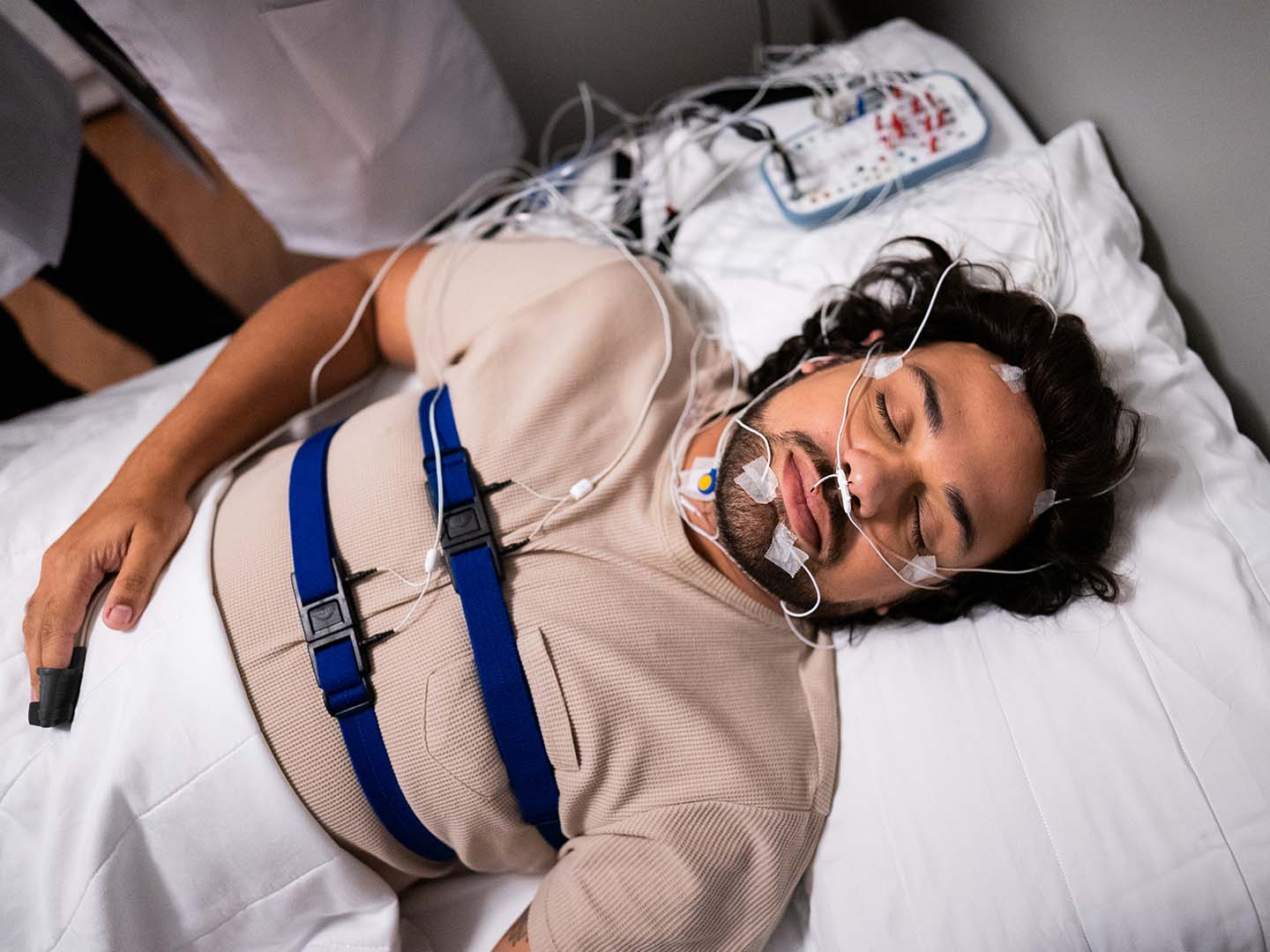
The polysomnography electrode application process begins once you’ve settled in and changed into your sleepwear. Technicians attach small sensors to specific locations:

  • Scalp electrodes to monitor brain wave activity and sleep stages
  • Chest and abdominal bands to track breathing patterns and effort
  • Finger probe to measure oxygen levels in your blood
  • Leg sensors to detect limb movements
  • Face and chin electrodes to record eye movements and muscle activity

The arrival instructions at the sleep center Hornsby emphasize that this setup process typically takes 30-45 minutes. Technicians ensure all sensors are properly positioned for accurate data collection without causing discomfort during sleep.

How Does CPAP or PAP Therapy Integration Work During the Study?

Does the sleep centre handle CPAP equipment during the overnight assessment? Yes, CPAP fitting Hornsby sleep study protocols include a dedicated mask fitting and testing session before your overnight monitoring begins. Technicians work with patients who require breathing devices to ensure proper seal and comfort, addressing any concerns about pressure settings or mask style.

The PAP therapy polysomnography integration occurs in two distinct phases:

  1. Preparation phase: Technicians assess your current equipment or introduce new devices if you’re beginning treatment. They’ll adjust straps, test different mask sizes, and verify that air pressure flows correctly without leaks. This preparation typically takes 20-30 minutes.
  2. Monitoring phase: During the actual sleep study, the positive airway pressure device runs continuously whilst electrodes monitor your response to treatment. Technologists observe how effectively the therapy reduces apnoea episodes, oxygen desaturation events, and sleep disruptions. This data determines whether your current pressure settings require adjustment or if alternative therapy modes would better address your specific breathing patterns throughout different sleep stages.

Patients should bring their existing CPAP machines and masks to maintain consistency with home routines, though the facility provides backup equipment if needed.

Sleep Study Hornsby

What Special Considerations Exist for Pediatric Patients Undergoing Sleep Studies?

Children undergoing polysomnography at Hornsby require additional preparation to ensure accurate results and emotional comfort throughout the night. Parents should pack all respiratory medications their child uses regularly, particularly asthma inhalers, nebulizers, and spacer devices that may be needed during the study.

Essential items for paediatric sleep study preparation Hornsby include:

  • All prescribed respiratory medications and delivery devices
  • Child’s CPAP or BiPAP mask if currently using one for treatment
  • Favourite comfort items such as stuffed animals, blankets, or toys
  • Familiar pyjamas and morning clothes
  • Bedtime storybooks or calming activities

The sleep centre permits one parent or guardian to stay overnight in the room with the child, providing reassurance during electrode application and throughout the monitoring period. This parental presence significantly reduces anxiety and helps children maintain their normal sleep patterns, which is crucial for obtaining accurate diagnostic data during children polysomnography guidelines.

Ready to schedule your child’s sleep study at Hornsby? Contact the sleep centre today to discuss your child’s specific needs and receive a comprehensive preparation checklist tailored to paediatric patients.

More to Read : Sleep Testing in Dee Why: Is At-Home Testing Suitable for Light Sleepers?

FAQs About Sleep Studies in Hornsby

1. What is the main purpose of a sleep study in Hornsby?
A sleep study helps diagnose sleep disorders such as sleep apnoea, narcolepsy, and restless leg movements by monitoring your brain, breathing, and heart activity overnight.
2. Why should I choose a Hornsby sleep clinic for my study?
Hornsby sleep clinics provide controlled environments, advanced equipment, and trained technologists to ensure accurate and reliable results.
3. What items should I bring to my sleep study appointment?
Bring comfortable pajamas, your prescribed medications, identification, insurance details, and any CPAP equipment you already use.
4. Are there optional items that can make my stay more comfortable?
Yes—personal toiletries, your pillow or blanket, and light snacks can make you feel more relaxed during the night.
5. What should I avoid bringing to the sleep clinic?
Avoid bringing valuables, jewelry, wigs, or pets, as these can interfere with the study or risk being misplaced.
6. How should I prepare before the sleep study night?
Avoid caffeine and alcohol, skip daytime naps, and arrive with clean, product-free hair and skin to help sensors adhere properly.
7. What happens when I arrive at the Hornsby sleep center?
You’ll check in, complete paperwork, and have sensors attached to monitor brain waves, breathing, and movement during sleep.
8. How is CPAP therapy integrated into the sleep study?
Technicians test and adjust your CPAP or PAP device before and during the study to evaluate how effectively it controls breathing interruptions.
9. Are sleep studies safe and suitable for children?
Yes—Hornsby sleep centers offer pediatric sleep studies, allowing a parent to stay overnight to ensure the child’s comfort and accurate results.

Sleep Testing in Dee Why: Is At-Home Testing Suitable for Light Sleepers?

What Are the Sleep Testing Options Available in Dee Why and How Do They Work?

Residents of Dee Why have access to two primary sleep testing options: at-home sleep tests and in-laboratory polysomnography studies. At-home testing provides a simplified, convenient approach for diagnosing obstructive sleep apnea, whilst laboratory studies offer comprehensive monitoring of multiple physiological parameters throughout the night.

At-Home Sleep Testing

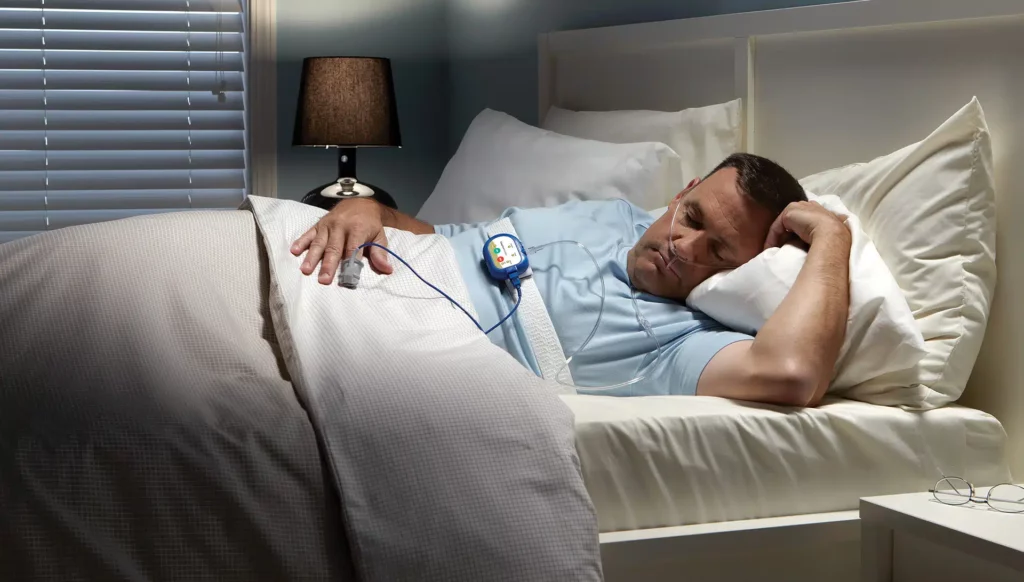
At-home sleep testing devices are portable monitors approved by the American Academy of Sleep Medicine that patients can use in the comfort of their own homes. These compact systems consist of several key components thThese devices work together to capture breathing-related data during sleep. The typical setup for sleep testing Dee Why includes:

  • A finger sensor (pulse oximeter) that measures blood oxygen saturation levels
  • Nasal cannulas or airflow sensors that detect breathing patterns and pauses
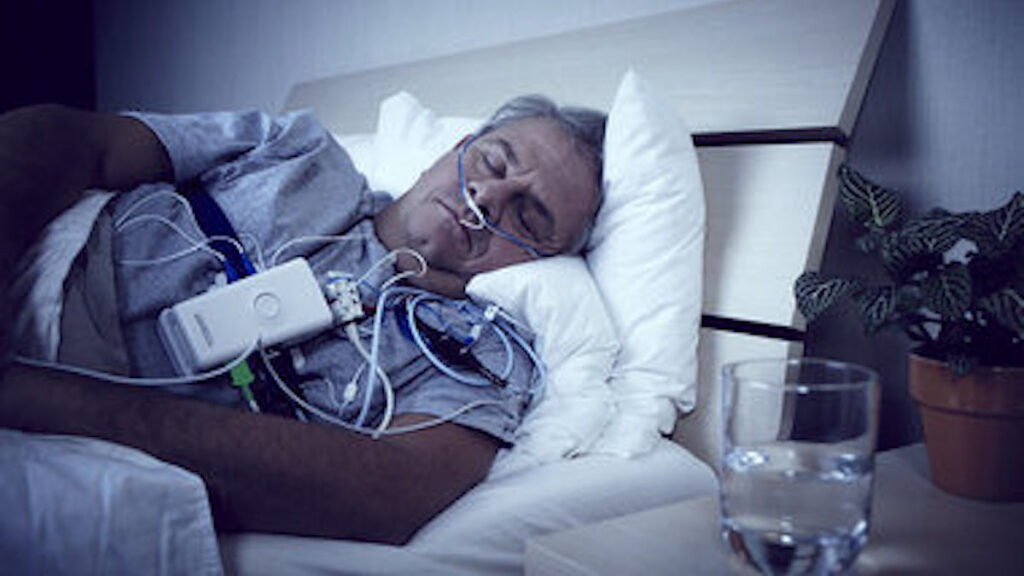
  • Chest and abdominal bands that monitor respiratory effort and movement
  • A central recording device that collects and stores data throughout the night

The data collection process focuses specifically on breathing parameters essential for identifying obstructive sleep apnea. During an at-home sleep testing Dee Why session, the device continuously records:

  • Airflow patterns through the nose and mouth to detect breathing interruptions
  • Oxygen saturation levels in the blood to identify drops associated with apnoea events
  • Respiratory effort from chest and abdominal movements to distinguish between obstructive and central apnoea

These tests typically run for one night, generating sufficient data for healthcare providers to assess whether obstructive sleep apnea is present and determine its severity.

In-Laboratory Polysomnography

In-laboratory polysomnography represents the gold standard for sleep disorder diagnosis. These comprehensive studies take place in dedicated sleep centres where trained technicians monitor patients throughout the night. Laboratory testing captures everything that at-home devices measure, plus additional neurological and muscular data:

  • Brain wave activity (electroencephalography) to identify sleep stages and disruptions
  • Eye movements to detect REM sleep and related disorders
  • Muscle tone in the chin and legs to assess movement disorders
  • Heart rhythm through continuous ECG monitoring
  • Body position and limb movements throughout the night

The key distinction lies in scope and complexity. At-home sleep tests focus exclusively on breathing

Who Can Benefit from At-Home Sleep Testing in Dee Why?

At-home sleep testing works best for individuals showing clear obstructive sleep apnea symptoms Dee Why practitioners commonly encounter: loud snoring, witnessed breathing pauses during sleep, gasping or choking episodes at night, and excessive daytime fatigue. People who are overweight or obese also make strong snoring diagnosis home sleep test candidates, as excess weight increases the risk of airway obstruction during sleep.

Primary candidates include:

  • Adults experiencing chronic loud snoring that disrupts their partner’s sleep
  • Individuals who wake up gasping for air or choking
  • People with unexplained daytime sleepiness despite seemingly adequate sleep hours
  • Those with a body mass index (BMI) over 30
  • Patients without significant comorbid conditions like heart failure or COPD

The testing method delivers substantial practical benefits. Sleeping in your own bed eliminates the anxiety and discomfort many people experience in unfamiliar laboratory environments. This familiar setting often produces more representative sleep patterns, particularly for those who struggle to fall asleep in clinical settings.

Cost represents another significant advantage. At-home tests typically cost under $200, whilst laboratory polysomnography can range from $600 to $5,000. This price difference makes diagnosis accessible to more people, especially those with limited health insurance coverage or high deductibles.

The convenience factor cannot be overstated. Home testing eliminates travel to sleep clinics, time off work, and overnight stays in medical facilities. You receive the testing device, use it for one night in your own bedroom, and return it for analysis. Results typically arrive within days, allowing faster diagnosis and treatment initiation.

The American Academy of Sleep Medicine approves portable monitoring equipment for diagnosing obstructive sleep apnea in appropriate candidates. These devices provide reliable data when used correctly by individuals matching the ideal candidate profile, making them a practical first-line diagnostic tool for straightforward cases of suspected sleep apnea.

sleep testing dee why

Are There Any Limitations or Considerations for Light Sleepers When It Comes to At-Home Sleep Testing?

Yes, light sleepers face specific challenges with at-home sleep testing, primarily due to equipment limitations and movement during sleep. Home sleep tests monitor breathing patterns but cannot track brain activity, muscle tone, or leg movements—data essential for diagnosing certain sleep disorders beyond obstructive sleep apnea.

Missing Neurological Data Creates Diagnostic Gaps

At-home devices lack electroencephalogram (EEG) sensors that measure brainwaves and sleep stages. This means limitations home sleep test accuracy issues become apparent when trying to identify conditions like:

  • Narcolepsy
  • REM behaviour disorder
  • Central sleep apnea
  • Periodic limb movement disorder

Light sleepers who experience frequent awakenings or fragmented sleep may have undiagnosed sleep disorders that home testing simply cannot detect. The absence of muscle activity monitoring prevents clinicians from observing abnormal movements or muscle tension patterns that occur during different sleep phases.

Sensor Displacement Compromises Data Quality

Light sleepers home testing presents unique technical challenges. Restless individuals who shift positions frequently risk dislodging sensors attached to their finger, nose, chest, or abdomen. A displaced nasal cannula cannot accurately measure airflow, whilst a loosened chest strap fails to capture respiratory effort properly.

This movement-related interference creates gaps in data collection. The test may record only partial information from the night, leading to inconclusive results that require retesting. Some light sleepers find the sensors themselves disruptive, creating a paradox where the monitoring equipment prevents the natural sleep patterns needed for accurate assessment.

When Equipment Limitations Affect Diagnosis

Home sleep tests work best for straightforward obstructive sleep apnea cases. Light sleepers with complex symptoms—unexplained daytime fatigue despite adequate sleep opportunity, unusual movements during sleep, or suspected multiple sleep disorders—may receive incomplete evaluations. The simplified monitoring approach cannot distinguish between different types of breathing disturbances or identify non-respiratory sleep problems affecting sleep quality.

When Should Patients Opt for In-Lab Sleep Studies Instead of At-Home Tests?

Patients should choose in-lab polysomnography, a comprehensive sleep study that provides detailed insights into their sleep patterns and disorders, when their symptoms suggest complex sleep disorders beyond obstructive sleep apnea. This type of testing is essential when comprehensive neurological monitoring becomes critical for accurate diagnosis. Healthcare providers typically recommend laboratory-based testing for individuals experiencing unexplained daytime sleepiness, suspected narcolepsy, REM sleep behaviour disorder, or periodic limb movement disorder—conditions requiring detailed brainwave and muscle tone analysis that home devices cannot capture.

The indications for in-lab polysomnography extend to patients with significant comorbidities that complicate diagnosis. Those with congestive heart failure, chronic obstructive pulmonary disease (COPD), or neuromuscular disorders benefit from the comprehensive benefits available only in supervised settings. The continuous presence of sleep technologists allows real-time adjustments to equipment and immediate response to any complications during the night.

Light sleepers in Dee Why facing persistent sleep disturbances despite negative home test results should consider laboratory evaluation. The controlled environment provides:

  • Complete polysomnography monitoring including EEG for brain activity, EMG for muscle tone, and EOG for eye movements
  • Video recording to document unusual behaviours or movements during sleep
  • Immediate technical support if sensors become displaced or equipment malfunctions
  • Multiple-night testing options for patients whose sleep patterns vary significantly

Healthcare providers assess several factors before recommending in-lab studies. Patients presenting with atypical symptoms, those requiring CPAP titration studies, or individuals whose home tests produce inconclusive results receive referrals for laboratory-based polysomnography. This decision balances the need for comprehensive data against practical considerations like patient mobility, anxiety levels, and insurance coverage.

Children and adolescents with suspected sleep disorders typically require in-lab testing due to developmental considerations and the need for specialised paediatric sleep medicine protocols that home testing cannot accommodate. Check out more about Sleep Study Hornsby: What to Bring and How to Prepare for the Night.

How Can Patients Prepare for At-Home Sleep Testing to Ensure Accurate Results?

Proper preparation directly impacts the reliability of your at-home sleep test results. Avoid caffeine and alcohol for at least 4-6 hours before bedtime on your testing night, as these substances alter normal sleep patterns and breathing rhythms that the test needs to capture accurately.

Pre-Test Lifestyle Adjustments

Maintain your regular sleep schedule in the days leading up to the test. Skipping naps on test day helps ensure you’re naturally tired at bedtime, increasing the likelihood of falling asleep despite wearing monitoring equipment.

sleep testing dee why

Sensor Application and Maintenance

Follow the device instructions precisely when attaching sensors to your finger, chest, and nasal area. Light sleepers should take extra care to:

  • Secure chest bands snugly but comfortably to prevent displacement during movement
  • Test nasal cannula positioning before sleep to ensure proper airflow detection
  • Use medical tape if provided to reinforce sensor connections on restless areas
  • Keep devices within arm’s reach for quick reattachment if sensors dislodge

Check all connections before turning off the lights. If you wake during the night and notice a sensor has shifted, gently reposition it immediately. The more continuous data captured, the more accurate your diagnosis will be.

Ready to schedule your sleep test in Dee Why? Contact your healthcare provider to discuss whether at-home testing suits your specific sleep concerns and receive personalised preparation guidance.

FAQs About Sleep Testing in Dee Why

1. What types of sleep tests are available in Dee Why?
Residents can choose between at-home sleep testing and in-laboratory polysomnography for diagnosing sleep disorders.
2. How does at-home sleep testing in Dee Why work?
A portable device records your breathing, oxygen levels, and movements overnight while you sleep comfortably at home.
3. Who should consider at-home sleep testing?
People with loud snoring, pauses in breathing, or daytime fatigue are ideal candidates for at-home testing.
4. Is at-home sleep testing accurate?
Yes. When used by suitable candidates, it reliably detects obstructive sleep apnea as approved by the American Academy of Sleep Medicine.
5. How much does a sleep test cost in Dee Why?
At-home tests usually cost under $200, while in-lab studies range from $600 to $5,000 depending on the clinic.
6. What happens during an in-lab sleep study?
Technicians monitor your brainwaves, breathing, heart rhythm, and body movements overnight for a full analysis.
7. Can light sleepers do at-home sleep testing?
Yes, but they may face challenges with sensor displacement or incomplete data, sometimes requiring retesting.
8. How long does it take to get results from a sleep test?
At-home test results are usually available within a few days, while lab study reports may take up to one week.
9. How can I prepare for an at-home sleep test?
Avoid caffeine and alcohol before bed, maintain your regular sleep schedule, and carefully secure all sensors as instructed.

LASIK vs. PRK: Which Laser Eye Surgery Is Best for Your Eyes?

Introduction: Seeing Clearly—Your Way

Laser eye surgery has changed the lives of millions of people who once relied on glasses or contact lenses. It offers a permanent solution to common vision problems like nearsightedness, farsightedness, and astigmatism. But when it comes to choosing the right type of procedure, many find themselves caught in the debate: LASIK vs. PRK.

Both are FDA-approved, safe, and effective. But they differ in technique, recovery, and ideal candidates. If you’re in your 30s and finally ready to ditch your lenses, understanding the differences between LASIK and PRK can help you make an informed decision about your eye health—and your future.


Before Surgery: Prepping Your Eyes and Expectations

Before either procedure, you’ll start with a comprehensive consultation. Your ophthalmologist will perform a full eye exam to check your vision stability, corneal thickness, eye pressure, and overall health. Not everyone qualifies for laser eye surgery, and your eligibility depends on a few key factors:

  • Age: You should be at least 18, but your 30s are ideal—your vision is usually stable, and healing is faster.
  • Prescription stability: Your vision shouldn’t have changed much in the last 12 months.
  • Corneal thickness: Thicker corneas favor LASIK, while thinner corneas may require PRK.
  • Eye health: No active infections, severe dry eye, or other corneal diseases.

Pre-surgery don’ts: Avoid wearing contact lenses for a few days before your exam. Contacts can reshape your cornea and affect measurements.

Do’s: Ask questions. Your doctor should walk you through both procedures and recommend the best one based on your eyes—not trends.


During Surgery: A Look Inside the Procedure

LASIK

LASIK (Laser-Assisted In Situ Keratomileusis) is the more well-known option. Here’s how it works:

See more: Is it Possible to Get LASIK At an Affordable Rate?

  1. A thin flap is created on the surface of the cornea using a microkeratome or femtosecond laser.
  2. The flap is gently lifted to expose the underlying corneal tissue.
  3. A laser reshapes the cornea to correct your vision.
  4. The flap is laid back in place—no stitches needed.

🕒 Time: The entire procedure takes about 10–15 minutes for both eyes.
😌 Pain: You may feel slight pressure but no pain.
👀 Tools used: Excimer laser, femtosecond laser (for flap), lid speculum.

laser eye surgery

PRK

PRK (Photorefractive Keratectomy) takes a different approach:

  1. Instead of creating a flap, the thin outer layer of the cornea (epithelium) is gently removed.
  2. The same type of laser reshapes the exposed cornea.
  3. A bandage contact lens is placed to protect the eye as the epithelium regenerates.

🕒 Time: Slightly longer than LASIK—15–20 minutes.
😬 Pain: Mild discomfort for a few days post-op as the epithelium heals.
👁️ Tools used: Excimer laser, alcohol solution or brush (to remove epithelium).


After Surgery: Recovery and Healing

LASIK Recovery

  • Vision: Many patients notice sharper vision within 24 hours.
  • Discomfort: Minor—itchiness or dryness for a few hours.
  • Back to work: Most people return to normal activities in 1–2 days.
  • Follow-ups: First one is usually the next day, then a few more over weeks.

PRK Recovery

  • Vision: Takes longer—anywhere from 5 days to a few weeks.
  • Discomfort: Moderate—feels like something is in your eye or a mild sunburn.
  • Back to work: Plan for at least 5–7 days off.
  • Follow-ups: Slightly more frequent to monitor epithelial healing.

While PRK involves a longer recovery, it may be the safer option for those with thin corneas or jobs that risk eye injury (since there’s no flap to dislodge).


Risks and Expectations: What You Should Know

Both LASIK and PRK are considered very safe, with success rates over 95%. However, as with any surgery, risks exist.

Common side effects include:

  • Dry eyes
  • Light sensitivity
  • Glare or halos at night
  • Mild discomfort
  • Fluctuating vision in the first few weeks

Less common but serious complications:

  • Infection
  • Overcorrection or undercorrection
  • Corneal haze (more common in PRK)
  • Flap complications (LASIK only)

Expectation vs. Reality:
Laser eye surgery can drastically reduce your dependence on glasses, but it may not deliver “perfect” 20/20 vision for everyone. Some people may still need reading glasses in their 40s or touch-up procedures later in life.

👉 Think of it like tuning a musical instrument. Your eyes will work better and feel freer—but perfection isn’t guaranteed for every note, especially over time.


Which Is Right for You?

Ask yourself:

  • Do you have a physically demanding job (e.g., military, sports)? → PRK may be better due to no flap.
  • Do you want fast recovery and minimal downtime? → LASIK might be ideal.
  • Do you have dry eyes or thin corneas? → PRK may be the safer option.
  • Do you prioritize comfort and speed? → LASIK wins on convenience.

Your ophthalmologist will weigh these factors and guide you toward the best choice.


Conclusion: Clear Eyes, Smart Decisions

Choosing between LASIK and PRK isn’t about which one is better overall—it’s about which one is better for you. Both offer life-changing improvements in vision and freedom from glasses, but they come with different healing processes and considerations.

The good news? In your 30s, you’re in a prime window for long-term success with laser eye surgery. With the right questions, honest expectations, and a trusted eye surgeon, you’ll be seeing the world with newfound clarity—literally.

Next step? Book a consultation and start the conversation. Your future self (and your future vision) will thank you.

The Impact of Humidity Control in ResMed AirSense 10

The ResMed AirSense 10 is a popular CPAP device that is designed to provide continuous positive airway pressure therapy to patients with sleep apnea. One of the standout features of this device is its humidity control system, which allows users to adjust the level of moisture in the air they breathe during therapy. In this article, we will explore the importance of humidity control in CPAP devices, the role of humidity control in the ResMed AirSense 10, and the benefits and drawbacks of using this feature.

Understanding Humidity Control in CPAP Devices

Sleep apnea patients often experience dryness and congestion in their nasal passages and airways during CPAP therapy. This can cause discomfort, irritation, and even make the therapy less effective. Humidity control in CPAP devices aims to address these issues by adding moisture to the air that is delivered through the mask to the patient.

But why is humidity control so important for CPAP therapy? Let’s take a closer look.

The Importance of Humidity Control for Sleep Apnea Patients

For sleep apnea patients, the quality and comfort of their CPAP therapy can have a significant impact on their sleep quality and overall well-being. The dryness and congestion that can come with therapy can make it harder to fall asleep, lead to a sore throat or nasal passages, and worsen symptoms of congestive heart failure.

Furthermore, studies have shown that the use of humidification during CPAP therapy can improve compliance rates and overall patient satisfaction. In one study, patients reported feeling more comfortable and less congested when using a humidifier with their CPAP device.

So, how exactly do humidity control systems work in CPAP devices? Learn more CPAP devices by clicking here.

How Humidity Control Works in CPAP Devices

There are two main types of humidification systems for CPAP devices: integrated humidifiers and stand-alone humidifiers.

Integrated humidifiers are built into the CPAP device and are designed to work seamlessly with the device’s air flow system. These humidifiers typically have a water chamber that can be filled with distilled water, which is then heated and released as warm, moist air into the air stream.

Stand-alone humidifiers, on the other hand, are separate devices that can be attached to a CPAP device. These humidifiers work in much the same way as integrated humidifiers, but they offer the added benefit of being portable and easy to use with different CPAP devices.

One example of a CPAP device with an integrated humidifier is the ResMed AirSense 10. This device features a climate control system that works in tandem with the device’s humidifier. The climate control system adjusts the temperature of the air delivered to the user based on the temperature and humidity of the room, ensuring that the air is always at the desired humidity level. This feature can be particularly helpful for people who live in areas with fluctuating humidity levels or who travel frequently.

Overall, humidity control is an essential aspect of CPAP therapy for sleep apnea patients. By adding moisture to the air stream, humidity control systems can help alleviate dryness and congestion, improve patient comfort, and increase compliance rates.

ResMed AirSense 10: A Comprehensive Overview

The ResMed AirSense 10 is a highly advanced CPAP machine that is packed with features to improve the comfort and effectiveness of therapy. Here are some key features that set it apart from other CPAP devices on the market.

Key Features of the ResMed AirSense 10

  • AutoRamp: this feature gradually increases the pressure of the device to help users fall asleep more comfortably.
  • Expiratory pressure relief: this feature reduces the pressure during exhalation to improve breathing comfort.
  • Advanced event detection: this feature can detect and differentiate between different types of breathing events, allowing for more accurate therapy.
  • Easy-breathe motor: this feature ensures that the device operates quietly throughout the night, reducing noise disturbance for the user and their partner. Want to learn some more interesting Features about ResMed AirSense 10 visit https://www.sleepfoundation.org/best-cpap-machines/resmed-airsense-10-cpap-machine-review

How the ResMed AirSense 10 Differs from Other CPAP Devices

The ResMed AirSense 10 sets itself apart from other CPAP devices with its advanced technology and user-friendly design. Its humidity control system and climate control feature provide more comfortable therapy, and its advanced event detection system and easy-breathe motor ensure that patients receive targeted, effective treatment without undue noise or discomfort.

One of the most impressive features of the ResMed AirSense 10 is its AutoRamp function. This feature gradually increases the pressure of the device to help users fall asleep more comfortably. This is a particularly important feature for patients who struggle with falling asleep while using a CPAP machine. By gradually increasing the pressure, the device can help users feel more relaxed and comfortable, making it easier to drift off to sleep.

Another feature that sets the ResMed AirSense 10 apart from other CPAP devices is its expiratory pressure relief function. This feature reduces the pressure during exhalation, which can help improve breathing comfort for patients. By reducing the pressure during exhalation, patients may find it easier to breathe and experience less discomfort during therapy.

The advanced event detection system of the ResMed AirSense 10 is also an important feature. This system can detect and differentiate between different types of breathing events, including central sleep apnea, obstructive sleep apnea, and hypopnea. This allows for more accurate therapy, as the device can adjust its pressure to target specific breathing events more effectively.

The easy-breathe motor of the ResMed AirSense 10 is another feature that patients will appreciate. This motor ensures that the device operates quietly throughout the night, reducing noise disturbance for the user and their partner. This is particularly important for patients who share a bedroom with a partner or who are sensitive to noise during sleep.

Overall, the ResMed AirSense 10 is a highly advanced CPAP machine that offers a range of features to improve the comfort and effectiveness of therapy. Its advanced technology, user-friendly design, and range of features make it an excellent choice for patients who require CPAP therapy for sleep apnea or other breathing disorders.

The Role of Humidity Control in the ResMed AirSense 10

The ResMed AirSense 10 is a state-of-the-art device that helps people with sleep apnea breathe better and get a good night’s rest. One of the key features of this device is its humidity control system, which ensures that users are breathing moist, comfortable air throughout their therapy.

Sleep apnea is a common condition that affects millions of people worldwide. It is characterized by pauses in breathing during sleep, which can lead to a range of health problems, including high blood pressure, heart disease, and stroke. The ResMed AirSense 10 is designed to help people with sleep apnea breathe more easily and get a good night’s rest.

The Climate Control System in the ResMed AirSense 10

The ResMed AirSense 10’s climate control system is responsible for adjusting the temperature and humidity of the air delivered to the user based on the conditions in the room. This ensures that the user is always breathing air that is at the optimal humidity level for their comfort. The device uses a built-in humidifier to add moisture to the air, which can help to reduce dryness and irritation in the nasal passages and throat.

The climate control system in the ResMed AirSense 10 is designed to be easy to use. Users can adjust the temperature and humidity settings using the device’s intuitive controls, which are located on the front of the device. The device also has a large, easy-to-read display that shows the current settings and other important information.

Adjusting Humidity Levels for Personalized Comfort

The ResMed AirSense 10’s humidity control system allows users to adjust the level of moisture in the air they breathe to suit their personal preferences. This feature can be particularly helpful for people who live in very dry or very humid areas, or who have sensitivities to changes in humidity. By adjusting the humidity level, users can ensure that they are breathing air that feels comfortable and refreshing.

In addition to its humidity control system, the ResMed AirSense 10 also has a range of other features that can help people with sleep apnea breathe more easily and get a good night’s rest. These include a quiet motor, a comfortable mask, and advanced algorithms that adjust the pressure of the air delivered to the user based on their breathing patterns.

Overall, the ResMed AirSense 10 is a powerful and effective device that can help people with sleep apnea breathe more easily and get a good night’s rest. Its humidity control system is a central feature of the device, ensuring that users are breathing moist, comfortable air throughout their therapy.

Benefits of Humidity Control in the ResMed AirSense 10

The ResMed AirSense 10’s humidity control system offers several benefits to users, including:

Improved Sleep Quality and Comfort

By providing moist, comfortable air during therapy, the ResMed AirSense 10’s humidity control system can improve sleep quality and overall comfort during therapy. This can lead to better compliance with treatment and improved overall health outcomes for sleep apnea patients.

One of the key benefits of the ResMed AirSense 10’s humidity control system is that it can help prevent dryness in the nasal passages and airways. Dry air can cause irritation and discomfort, making it difficult to fall asleep and stay asleep throughout the night. With the AirSense 10’s humidity control system, the air is moistened and warmed, making it more comfortable to breathe and reducing the likelihood of dryness and irritation.

In addition to improving comfort, the AirSense 10’s humidity control system can also help prevent congestion in the nasal passages and airways. Congestion can make it difficult to breathe, especially during sleep, and can lead to snoring and other sleep disturbances. By keeping the airways moist and reducing congestion, the AirSense 10’s humidity control system can help improve breathing and reduce snoring, leading to a more restful night’s sleep.

Reduced Dryness and Congestion

The ResMed AirSense 10’s humidity control system can reduce dryness and congestion in the nasal passages and airways, which can make breathing during therapy more comfortable and effective.

Dryness and congestion can be particularly problematic for sleep apnea patients, as it can make it difficult to breathe effectively during therapy. The AirSense 10’s humidity control system can help alleviate these issues, making it easier to breathe comfortably and effectively throughout the night.

Moreover, the AirSense 10’s humidity control system can help reduce the risk of infections and other respiratory problems. Dry air can make the nasal passages more vulnerable to infection, while congestion can increase the risk of sinus infections and other respiratory issues. By keeping the airways moist and reducing congestion, the AirSense 10’s humidity control system can help improve respiratory health and prevent infections.

Enhanced Compliance and Treatment Effectiveness

By improving the comfort and effectiveness of CPAP therapy, the ResMed AirSense 10’s humidity control system can increase compliance with treatment and improve overall health outcomes for sleep apnea patients.

Compliance with CPAP therapy can be challenging for many sleep apnea patients, especially if they experience discomfort or side effects from the therapy. The AirSense 10’s humidity control system can help improve comfort and reduce side effects, making it easier for patients to stick to their therapy regimen.

In addition, the AirSense 10’s humidity control system can help improve the effectiveness of CPAP therapy. By reducing dryness and congestion, the system can help ensure that patients receive the full benefits of the therapy, including improved breathing and reduced snoring. This can lead to better overall health outcomes and a better quality of life for sleep apnea patients.

Potential Drawbacks and Limitations of Humidity Control

While humidity control can offer significant benefits to CPAP users, there are some potential drawbacks and limitations to consider. Here are a few:

Challenges in Finding the Right Humidity Level

For some people, finding the right humidity level can be a challenge. Too much moisture in the air can cause condensation in the mask or tubing, while too little can result in dryness and discomfort. It may take some trial and error to find the right level for your individual needs and preferences.

Increased Device Maintenance Requirements

The ResMed AirSense 10’s humidity control system requires regular maintenance to ensure optimal performance. This includes cleaning the humidifier chamber, replacing disposable filters, and monitoring for mold or other issues that can arise with consistent use of the device.

Conclusion

Overall, the ResMed AirSense 10’s humidity control system can offer significant benefits to CPAP users with sleep apnea. By providing moist, comfortable air during therapy, this feature can improve sleep quality, reduce dryness and congestion, and enhance compliance with treatment. While there are some potential drawbacks and limitations to consider, the benefits of humidity control are numerous and can make a significant difference in the quality of life of sleep apnea patients.